One-to-One Verbal Reasoning Tutor for the 11+
Verbal reasoning is the only 11+ paper that is not on the national curriculum — which is why a bright child can be top of the class and still lose marks on it. Our online verbal reasoning tutor teaches all 21 GL-style question types by name, in the order that moves scores fastest.
The Four Families of Verbal Reasoning Questions
Twenty-one question types, taught as four families — because a child who can name the family has already chosen the method.
6 of the 21 types
Vocabulary & Meaning
Synonyms, antonyms, odd ones out, analogies, double meanings. These are the marks a well-read child collects almost free — so we build vocabulary deliberately rather than testing what is already there.
5 of the 21 types
Letters & Spelling Patterns
Hidden words, compound words, moving a letter, the same missing letter. Fast marks once the child stops reading the question and starts scanning for the shape of the answer.
6 of the 21 types
Codes & Sequences
Letter codes, word–number codes, letter connections, number series. The types most children freeze on — and where a taught method turns a guess into a reliable mark within a few lessons.
4 of the 21 types
Logic & Information
Reading information, missing numbers, complete the sum. Short paragraphs of facts that must be worked, not skimmed. Consistently the hardest family, and the one that separates a qualifying score from a ranking one.
Three Questions, Three Methods
This is the difference between practice and teaching. Not “do more papers” — a rule the child can apply to a question they have never seen.
If FLAME is written as GMBNF, how is CODE written?
The method: Test one letter, not five. F → G is one step forward, so apply +1 to every letter.
DPEF
Find the four-letter word hidden across two words: “Please take her old coat.”
The method: Read the sentence as one unbroken string and scan the joins, never the words themselves.
HERO — hidden in “her old”
Move one letter from BRAND to PAT so that both stay real words.
The method: Try removing each letter of the first word in turn; only then check whether it fits the second.
BAND and PART
Every worked example on this page was written by Tutormint — none are reproduced from published practice papers. For one example of each type, read our free guide to all 21 verbal reasoning question types.
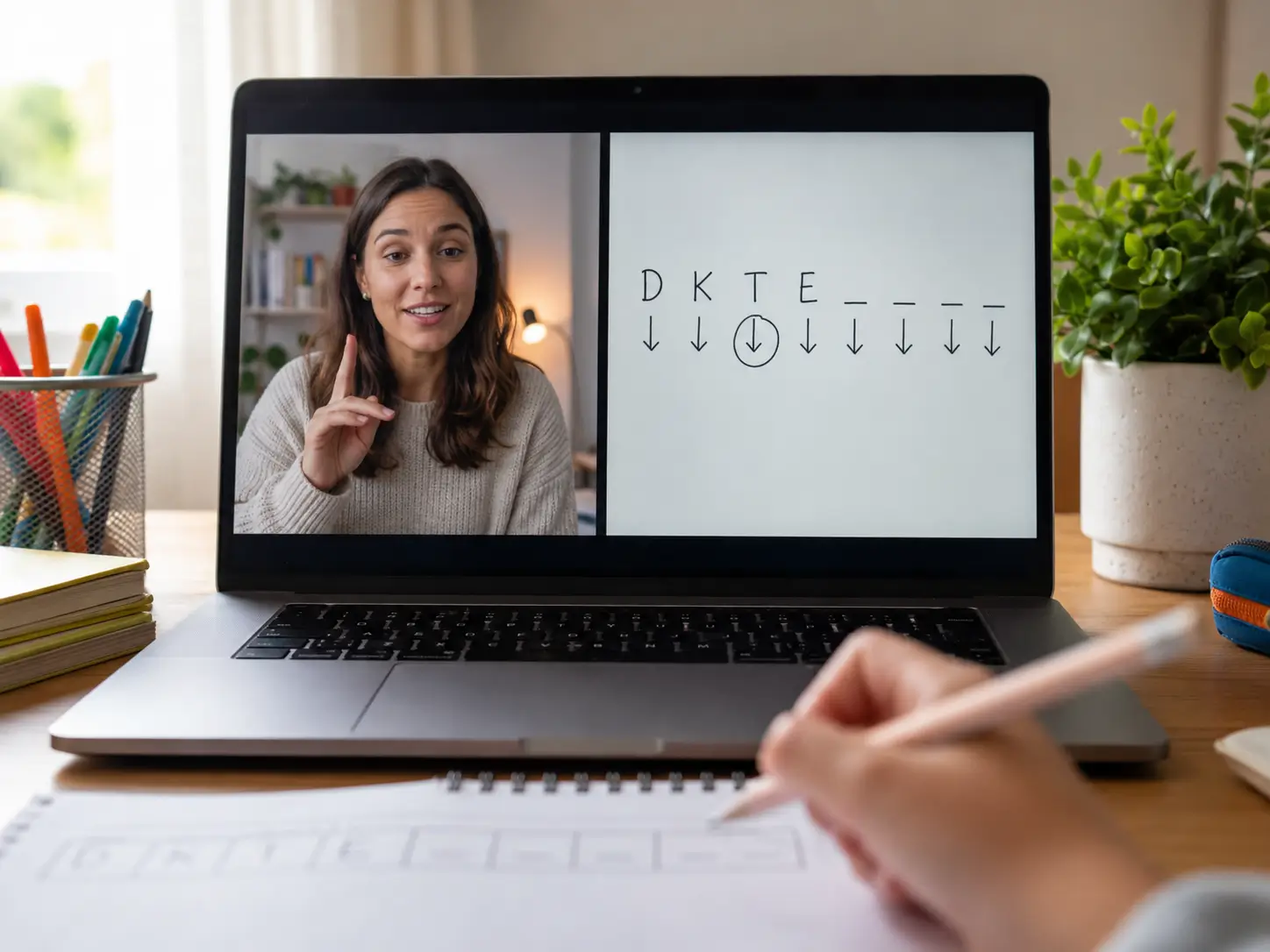
Why 11+ Verbal Reasoning Help Works Faster Than Maths or English Help
Verbal reasoning appears nowhere in the Department for Education's statutory programmes of study for English at key stage 2. State primaries have no reason to teach it, and almost none do. GL Assessment publishes free familiarisation material precisely because children may never have seen these questions before.
That single fact changes the maths of preparation. In 11+ Maths and 11+ English, a tutor is improving something a school has already been teaching for six years — real gains, but incremental ones. In verbal reasoning, the child is starting from zero on a paper the exam weights equally. There is more headroom here than anywhere else on the test, which is why it is usually the first thing we fix.
The catch is that headroom closes. A child who meets letter codes for the first time in a timed mock in August loses the marks and the confidence in the same hour. Our 11+ tutoring programme front-loads verbal reasoning for exactly this reason: recognition first, method second, speed last.
How Our Verbal Reasoning Tuition Is Sequenced
Every lesson follows the same three-part shape, because the order matters more than the material.
01
Name the question
The child learns to identify which of the 21 types they are looking at, on sight, before attempting it. Publishers letter the types differently — Type A in one book is Type E in another — so we teach recognition of the question, never the label.
02
Drill one method per type
One repeatable method per type, practised untimed until it is automatic. A method that works under no pressure is the only kind that survives a timed paper.
03
Add the clock last
Timing, the two-pass approach and answer-sheet discipline come once accuracy is stable. GL papers are multiple-choice with a separate answer sheet — a right answer on the wrong line scores zero — and there is no penalty for guessing, so a blank is the only genuinely wrong answer.
Which of the 21 types your child faces depends on the region — many areas set only a subset. Tell us the target school and the sequence is built around that paper, not a generic one. Shape questions are handled on our non-verbal reasoning tutor page.

Find Out Which Question Types Are Costing Marks — Free
One free demo class with an experienced 11+ tutor, including a short diagnostic across the verbal reasoning families. You will leave knowing which types your child recognises and which they are guessing on. No payment, no obligation.
Sitting the exam this autumn? See the full 11+ programme or read when to start 11+ preparation.
Verbal Reasoning Tutoring FAQs
Answers to the questions parents ask before booking a free verbal reasoning demo class.